


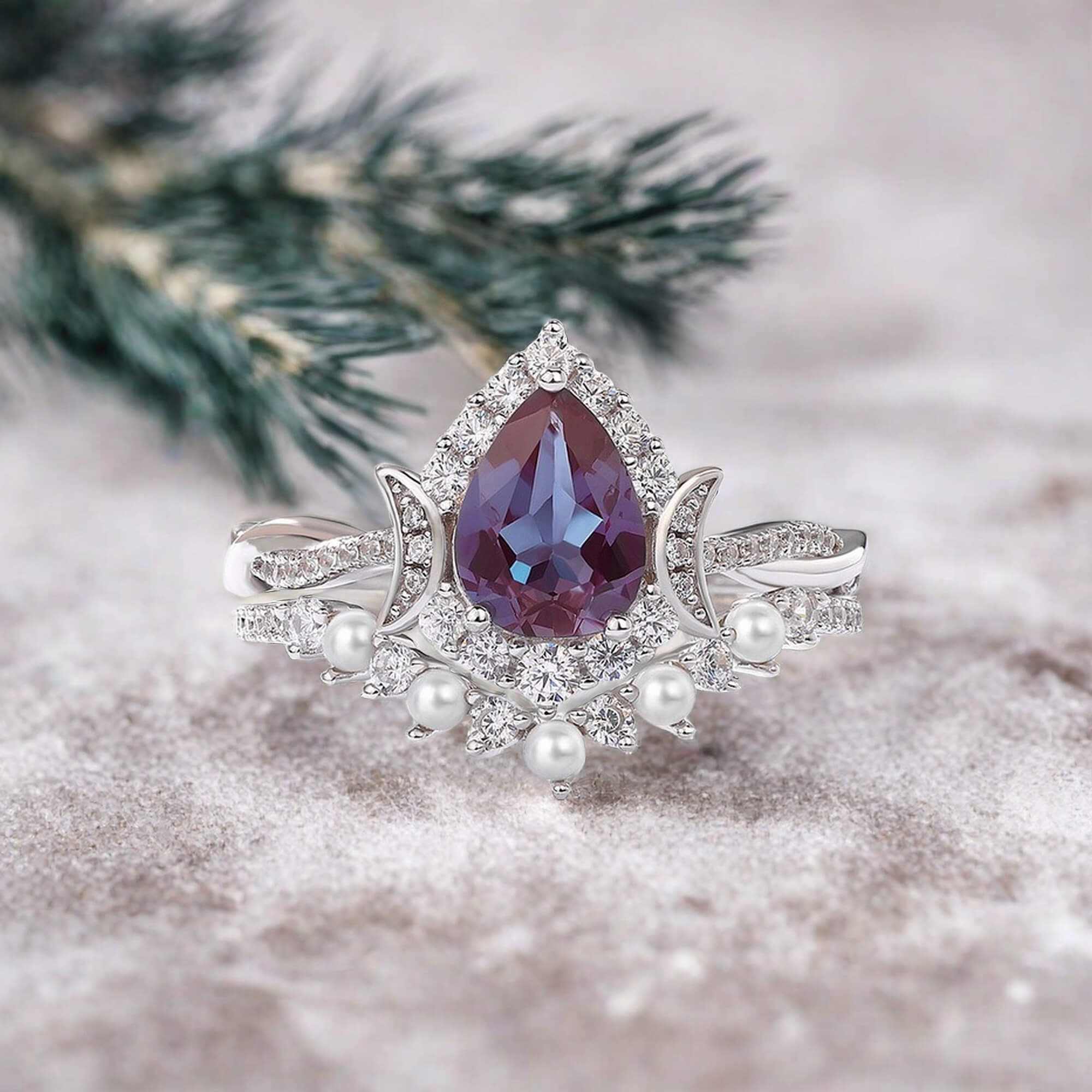
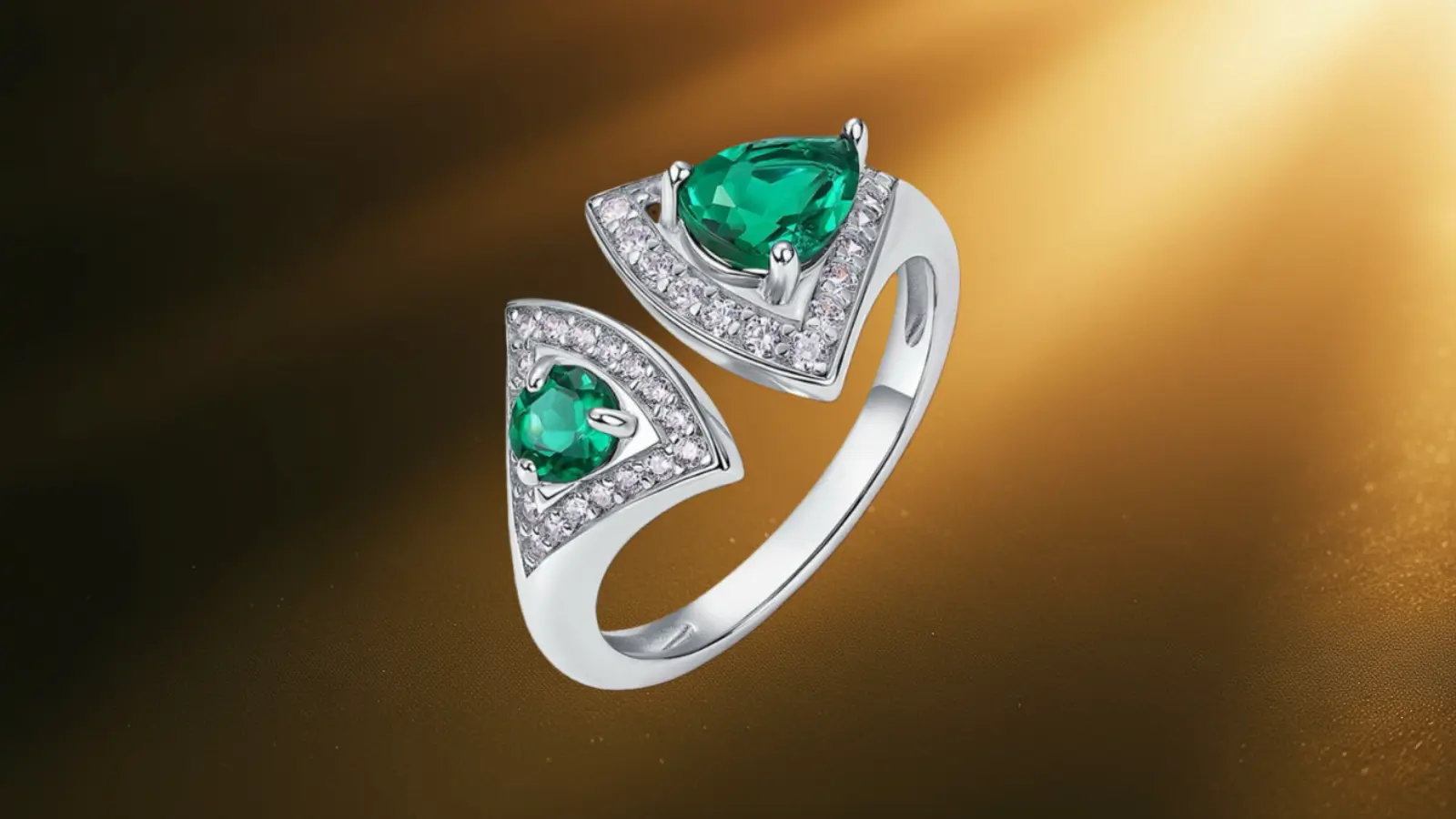


Ask what the gemstone is, whether it is natural or lab-grown, which treatments are known and whether those treatments change its care. “Natural” does not mean “untreated”, and “lab-grown” is not a complete treatment history.
You do not need to memorise every process to make a better purchase. A short written enquiry can establish what is known, what remains uncertain and whether the piece suits the way you want to wear it.

Ask four separate questions
- What is the exact gem material, including the side stones?
- Is each material mined, laboratory-grown or an imitation?
- What colour or clarity treatments are disclosed?
- Do any of those treatments require special care or further disclosure if the item is repaired?
GIA's introduction to gem treatments describes processes including heating, coating and fracture filling. Different treatments have different stability and detection questions. Do not treat “treated” as one uniform quality category.
Apply the questions to the complete piece
The Emerald-Cut Emerald Halo Ring lists a 1.5 ct lab-grown emerald, 6 × 8 mm centre dimensions, cubic zirconia accents and a sterling silver setting. That identifies the stated materials, but it does not provide a full individual treatment history for the centre stone.
The Oval Bezel Ruby Drop Necklace lists a lab-grown ruby with a clear pear-shaped accent, plus sterling silver or 14K yellow gold pendant options. The standard chain is included, but the pendant material should not be used to infer an unstated chain material.
These examples show why one answer cannot cover every component. Neither piece is claimed here to be untreated, independently tested or supplied with a laboratory report that we have examined.
What if the seller does not know?
Ask them to distinguish “not treated” from “not known”. An honest gap in information is different from a substantiated untreated claim. If an untreated stone is essential to your purchase, decide whether you need an appropriate independent report before proceeding.
If a report is offered, check what it covers, its identifiers and whether it applies to the stone being supplied. A report about identity does not automatically answer origin, quality, valuation and every treatment question.
Connect disclosure to everyday care
Keep the written information with the order so a repairer can see it later. Before using a dip, steam or an ultrasonic machine, obtain advice for the complete item. A suitable method for one untreated stone may not suit another treated component or a plated finish.
For design options, browse the emerald collection. When comparing prices, put disclosure beside metal, measurements and delivery in our value checklist. An unanswered question should stay visible in the buying decision.